While aging is a natural biological process, “premature” skin aging—characterized by fine lines, sun spots, and loss of elasticity before your time—is largely driven by external factors. Dermatologists often refer to this as extrinsic aging, and the good news is that much of it is within your control. By adopting a proactive, science-backed approach to skin health, you can preserve your collagen stores and maintain a youthful glow for decades to come.
Preventing premature aging isn’t about chasing every new “miracle” serum; it is about consistency and understanding the biological needs of your skin. Here are seven dermatologist-proven strategies to protect your complexion and slow the clock.
1. Prioritize Broad-Spectrum Sun Protection
Dermatologists agree: Sunscreen is the most effective anti-aging product in your arsenal. Approximately 80% of visible facial aging is caused by ultraviolet (UV) radiation. UVA rays, in particular, penetrate deep into the dermis, breaking down collagen and elastin fibers.
Why Broad-Spectrum Matters
To fully protect your skin, you need a formula labeled “broad-spectrum,” which defends against both UVA (aging) and UVB (burning) rays. For daily use, an SPF of 30 or higher is the gold standard. Remember that UV rays can penetrate windows and clouds, making daily application necessary even if you are indoors or it is an overcast day.
- Apply enough: Use about a nickel-sized amount for the face and neck.
- Reapply: Every two hours if you are outdoors or sweating.
- Don’t forget: The backs of your hands and your chest (decolletage) are often the first places to show age.
2. Incorporate Retinoids Into Your Nightly Routine
Retinoids, derivatives of Vitamin A, are the “gold standard” in dermatology for reversing and preventing signs of aging. They work by increasing cell turnover and stimulating the production of new collagen, which naturally begins to decline in our mid-20s.
If you are new to retinoids, start with an over-the-counter retinol or retinaldehyde. These are less potent than prescription-strength tretinoin, allowing your skin to acclimate without excessive peeling or redness. Apply a pea-sized amount to dry skin at night, starting twice a week and gradually increasing frequency.
3. Neutralize Free Radicals with Antioxidants
Throughout the day, your skin is bombarded by environmental stressors like pollution, blue light, and infrared radiation. These triggers create free radicals—unstable molecules that damage skin cells and accelerate the breakdown of collagen.
Applying an antioxidant serum, particularly one containing Vitamin C (L-ascorbic acid), acts as a second line of defense beneath your sunscreen. Vitamin C not only neutralizes free radicals but also brightens the skin tone and inhibits melanin production to prevent dark spots.
4. Support the Skin Barrier with Proper Hydration
Dry, dehydrated skin loses its “plumpness,” making fine lines appear more prominent. More importantly, a compromised skin barrier is less effective at defending against environmental irritants that trigger inflammation—a process often called “inflammaging.”
Key Ingredient Education for Barrier Health
Look for moisturizers that contain the following “holy grail” ingredients:
| Ingredient | Function |
|---|---|
| Ceramides | Lipids that act as “mortar” to hold skin cells together. |
| Hyaluronic Acid | A humectant that draws moisture into the skin. |
| Glycerin | Provides long-lasting hydration and improves skin texture. |
| Niacinamide | Reduces inflammation and improves barrier function. |
5. Minimize Sugar Intake to Avoid Glycation
Your diet plays a significant role in how your skin ages. High sugar consumption leads to a process called glycation. This occurs when excess sugar molecules attach to proteins like collagen and elastin, forming “Advanced Glycation End-products” (AGEs).
AGEs make collagen fibers brittle and less resilient, leading to sagging and “crepey” skin. To prevent this, focus on a diet rich in low-glycemic foods, healthy fats (like Omega-3s found in salmon), and colorful vegetables packed with natural antioxidants.
6. Adopt a “Less is More” Approach to Cleansing
Over-exfoliating or using harsh, stripping cleansers can do more harm than good. When you disrupt the acid mantle—the skin’s natural protective film—you trigger chronic low-grade inflammation. Over time, this weakens the skin’s structural integrity.
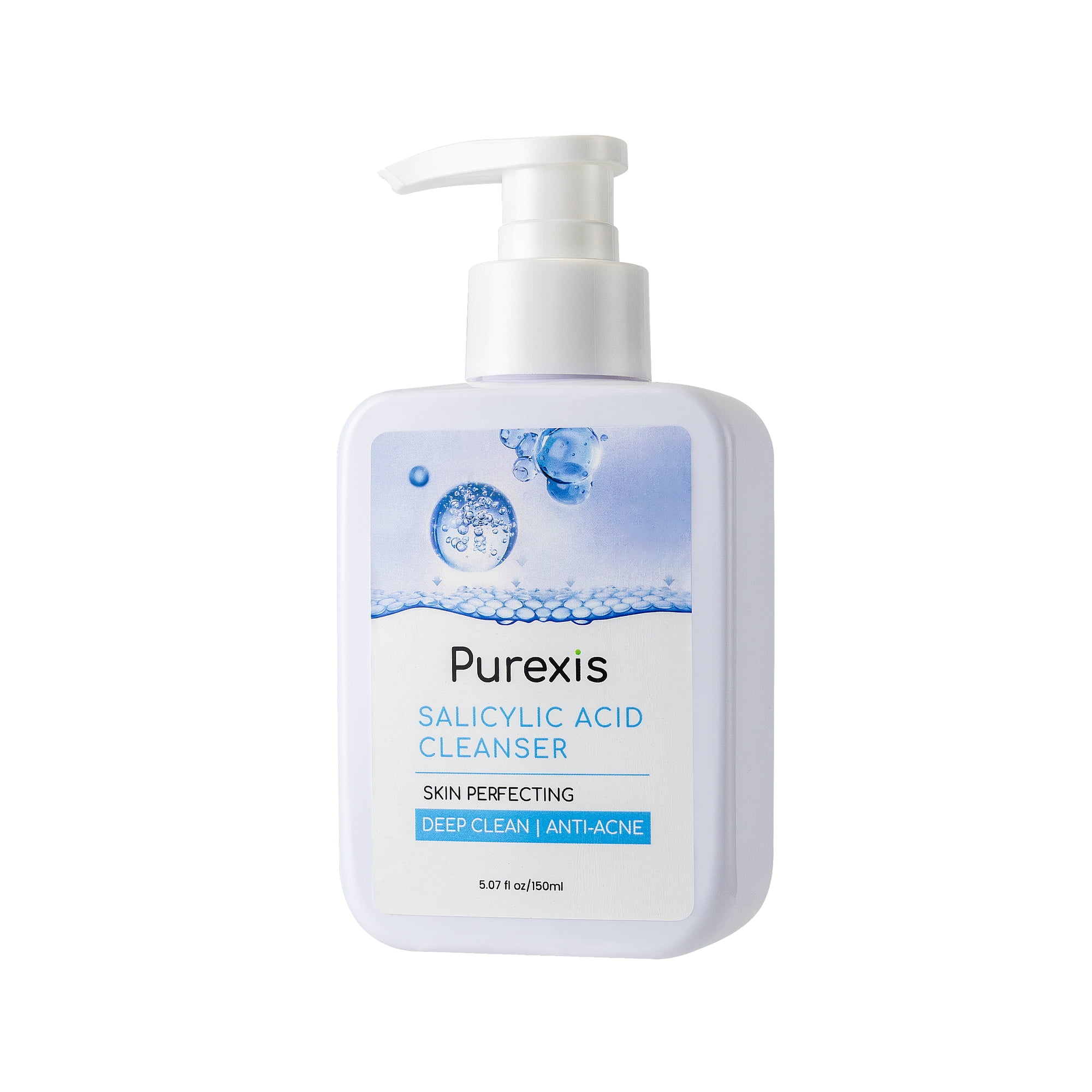
Switch to a gentle, pH-balanced cleanser that removes impurities without leaving your skin feeling tight. Limit the use of physical scrubs or high-percentage chemical peels to once or twice a week, depending on your skin’s tolerance.
7. Prioritize Quality Sleep and Stress Management
The term “beauty sleep” is rooted in clinical reality. During deep sleep, the body’s growth hormones are at their peak, facilitating cellular repair and the production of new skin cells. Conversely, chronic sleep deprivation increases cortisol levels.
Elevated cortisol (the stress hormone) breaks down collagen and can lead to increased oil production, causing adult acne and dullness. Aim for 7–9 hours of sleep and incorporate stress-reduction techniques like meditation or light exercise to keep your hormones—and your skin—in balance.
Pros & Cons of Anti-Aging Skincare Strategies
Understanding the trade-offs of various preventative measures helps you set realistic expectations for your skincare journey.
Pros
- Long-term Savings: Preventative skincare is significantly cheaper than corrective procedures like lasers, fillers, or surgery.
- Improved Skin Health: These habits don’t just make you look younger; they reduce the risk of skin cancer and sensitivity.
- Cumulative Results: Small, daily actions lead to dramatic differences over a 5- to 10-year period.
Cons
- Delayed Gratification: Unlike makeup, skincare takes weeks or months of consistent use to show visible results.
- Potential Irritation: Active ingredients like Retinol or Vitamin C can cause initial redness or “purging.”
- Cost of Quality Products: High-quality, stabilized formulations can be an investment.
Frequently Asked Questions
At what age should I start an anti-aging routine?
Prevention should ideally start in your early 20s. While you don’t need heavy-duty treatments at this age, daily sun protection and hydration are essential. Most dermatologists recommend adding retinoids and antioxidants by age 25 to 30.
Can I reverse existing wrinkles with just skincare?
Skincare is excellent for softening fine lines and improving texture, but deep, etched-in wrinkles are difficult to “erase” with topical creams alone. However, consistent use of retinoids can significantly diminish their appearance over time.
Is a multi-step routine necessary for preventing aging?
No. A complex 10-step routine isn’t required. A minimalist “Core Four” approach is often more effective: Cleanser, Antioxidant (AM), Sunscreen (AM), and Retinoid/Moisturizer (PM).
Does drinking water prevent wrinkles?
While staying hydrated is important for overall health and can temporarily improve the appearance of skin turgor, drinking water alone will not prevent wrinkles caused by UV damage or collagen loss. Topical hydration and sun protection are far more effective for localized skin aging.
Can facial massage or “face yoga” prevent aging?
There is limited clinical evidence that facial exercises prevent aging. In some cases, repetitive facial movements can actually contribute to expression lines (dynamic wrinkles). Focus instead on topical care and protecting your existing collagen.
—
Topic: How to prevent premature aging of skin
Tags: #Prevent #Premature #Skin #Aging #DermatologistProven #Tips