Blog

  • How to Treat Eczema Flare-Ups Naturally: 7 Science-Backed Remedies

    How to Treat Eczema Flare-Ups Naturally: 7 Science-Backed Remedies

    Living with eczema—specifically atopic dermatitis—often feels like a constant battle against your own skin. The sudden onset of red, itchy, and inflamed patches can disrupt sleep, affect confidence, and cause physical discomfort. While prescription corticosteroids are a standard medical response, many individuals seek complementary natural strategies to soothe their skin and reduce the frequency of flare-ups.

    The key to managing eczema naturally lies in two areas: repairing the skin’s moisture barrier and reducing systemic inflammation. Because eczema-prone skin lacks the necessary proteins and lipids to retain moisture, it becomes susceptible to environmental triggers. The following seven remedies are backed by dermatological research and offer practical ways to find relief at home.

    1. Colloidal Oatmeal Baths

    Colloidal oatmeal isn’t the same as the oats in your pantry. It is oats that have been ground into an extremely fine powder so they can be dispersed in water. When added to a lukewarm bath, it forms a protective film on the skin surface.

    Studies published in the Journal of Drugs in Dermatology indicate that colloidal oatmeal has antioxidant and anti-inflammatory properties. It helps buffer skin pH and significantly reduces the “itch-scratch cycle” by soothing the sensory nerves in the dermis.

    How to use:

    • Add about one cup of colloidal oatmeal to a lukewarm (not hot) bath.
    • Soak for 10–15 minutes.
    • Gently pat the skin dry with a soft towel—never rub.

    2. Virgin Coconut Oil

    Coconut oil is a powerhouse for eczema management because of its unique fatty acid profile. It contains lauric acid, which has been shown to reduce the presence of Staphylococcus aureus on the skin. This is critical because eczema patients often have a high colonization of this bacteria, which can lead to secondary infections.

    Unlike many commercial lotions that contain alcohols or fragrances, virgin coconut oil is a pure emollient that penetrates the skin deeply to provide lasting hydration.

    3. Sunflower Seed Oil

    While many people reach for olive oil, research suggests that sunflower seed oil is actually superior for the skin barrier. Sunflower oil stimulates the skin’s natural production of ceramides, the “glue” that holds skin cells together.

    In a clinical study comparing the two, olive oil was found to actually damage the skin barrier in some individuals, whereas sunflower oil improved hydration and maintained the integrity of the stratum corneum (the outermost layer of skin).

    4. Dietary Anti-Inflammatories and Probiotics

    Eczema is often an external manifestation of internal inflammation. A “natural” approach must include what you put into your body. Scientific evidence suggests that a diet rich in Omega-3 fatty acids (found in flaxseeds, chia seeds, and walnuts) can help dampen the inflammatory response.

    Furthermore, the gut-skin axis plays a significant role in eczema. Probiotics—specifically strains like Lactobacillus—may help regulate the immune system. A balanced gut microbiome can lead to fewer systemic flares over time.

    5. Diluted Apple Cider Vinegar (ACV)

    The skin’s natural pH is slightly acidic. People with eczema often have a more alkaline skin pH, which weakens the barrier and allows bacteria to thrive. A highly diluted ACV soak can help restore the skin’s acidity.

    Caution: Never apply undiluted ACV to the skin, as it can cause chemical burns. Always patch test a small area first.

    The Mixing Ratio:

    • Bath: Add 2 cups of ACV to a full tub of lukewarm water.
    • Compress: Mix 1 tablespoon of ACV with 1 cup of water and apply with a soft cloth.

    6. Wet Wrap Therapy

    Wet wrap therapy is a technique often used for severe flare-ups. It involves applying a liberal amount of moisturizer (like coconut oil or a thick natural cream) and then wrapping the area in a layer of damp gauze or cotton clothing, followed by a dry layer.

    This process rehydrates the skin, increases the absorption of topicals, and provides a physical barrier that prevents scratching during the night. Research shows this can significantly reduce symptoms within just a few days of application.

    7. Stress Management and Acupressure

    The nervous system and the skin are intrinsically linked. Stress triggers the release of cortisol, which can provoke an inflammatory response and worsen itching. Natural management includes “mind-body” interventions.

    Specific acupressure points, such as the “Large Intestine 11” (located at the outer end of the elbow crease), have been studied for their ability to reduce the sensation of itching. Combined with deep breathing or meditation, these techniques can help lower the physiological stress that fuels eczema cycles.

    Comparing Natural Remedies

    The following table summarizes the primary benefits of the top topical treatments mentioned above.

    Remedy Primary Benefit Best For…
    Colloidal Oatmeal Anti-itch & Soothing Acute itching and full-body irritation.
    Virgin Coconut Oil Antimicrobial Preventing infection and deep hydration.
    Sunflower Seed Oil Barrier Repair Strengthening thin or cracked skin.
    Apple Cider Vinegar pH Balancing Restoring the skin’s natural acidity.

    Pros and Cons of Natural Eczema Advanced Treatments

    While natural remedies offer significant relief, it is important to weigh their benefits against their limitations.

    Pros

    • Reduced Chemical Exposure: Natural remedies often lack the parabens, fragrances, and synthetic preservatives found in many over-the-counter creams.
    • Cost-Effective: Many items, like oats or ACV, are kitchen staples and significantly cheaper than prescription biologics.
    • Holistic Healing: These methods often address the root causes, such as barrier dysfunction and diet, rather than just masking symptoms.

    Cons

    • Allergy Risks: “Natural” does not mean “hypoallergenic.” Some people may have contact dermatitis reactions to coconut or essential oils.
    • Slower Action: Natural remedies may take longer to show results compared to high-potency topical steroids.
    • Not a Cure: Eczema is a chronic condition; while these remedies manage flares, they do not “cure” the underlying genetic predisposition.

    Frequently Asked Questions

    Is natural treatment safe for children with eczema?

    Generally, yes. Colloidal oatmeal and sunflower oil are considered very safe for infants and children. However, always consult a pediatrician before introducing new products, especially if the child has food allergies, as skin exposure can sometimes trigger sensitivities.

    Can I use essential oils to treat my eczema flare-up?

    Use extreme caution with essential oils. While some, like lavender or chamomile, have anti-inflammatory properties, they are highly concentrated and can often act as irritants for sensitive eczema skin. If you use them, they must be heavily diluted in a carrier oil like jojoba or sunflower oil.

    How long does it take for natural remedies to work?

    For acute itching, a colloidal oatmeal bath can provide immediate relief. For barrier repair using oils or probiotics, it typically takes 2 to 4 weeks of consistent use to see a visible improvement in skin texture and a reduction in flare-up frequency.

    When should I stop natural treatment and see a doctor?

    If the skin shows signs of infection—such as yellow crusting, pus, extreme heat, or red streaks—you should seek medical attention immediately. Additionally, if a flare-up is preventing you from sleeping or is covering a large percentage of your body, a dermatologist may need to provide a more intensive treatment plan.

    Does drinking more water help eczema?

    While hydration is vital for overall health, “drinking away” eczema is a myth. Eczema is a problem of the skin barrier’s ability to hold moisture, not necessarily a lack of water intake. You must hydrate the skin topically (the “soak and seal” method) to see results.


    Topic: How to treat eczema flare ups naturally
    Tags: #Treat #Eczema #FlareUps #Naturally #Skincare ScienceBacked #Remedies
  • 7 Best Anti-Aging Creams for Under Eye Wrinkles: Dermatologist Picks

    7 Best Anti-Aging Creams for Under Eye Wrinkles: Dermatologist Picks

    The skin around our eyes is significantly thinner and more delicate than the rest of the face. Lacking the density of oil glands found elsewhere, this area is often the first to show signs of aging, from fine lines and “crow’s feet” to deep-set wrinkles and loss of elasticity. While aging is a natural process, the right topical treatments can significantly slow the progression and even reverse existing damage.

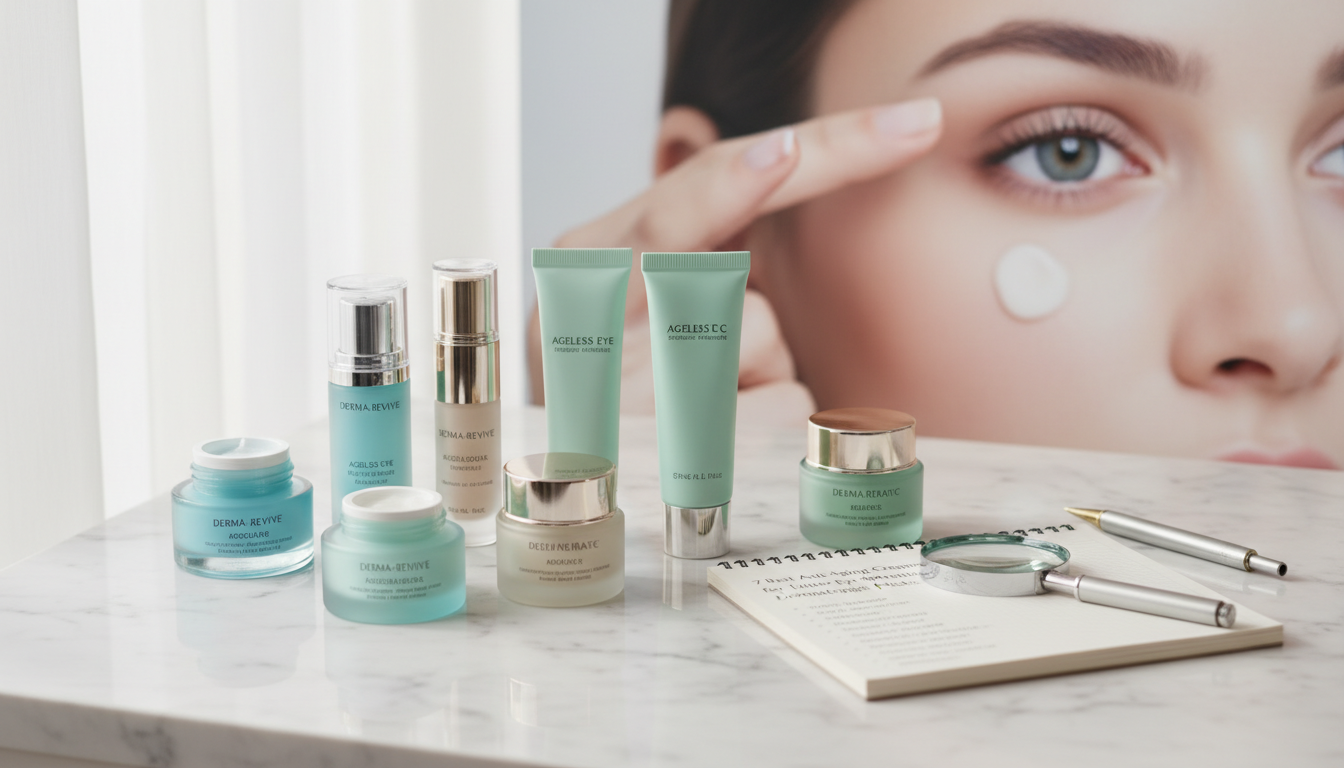
    When selecting an anti-aging eye cream, dermatologists prioritize formulas backed by clinical evidence rather than marketing hype. To help you navigate the crowded skincare aisle, we have curated seven top-tier eye creams that target wrinkles through diverse mechanisms, from cellular turnover to deep hydration.

    Understanding the Delicate Under-Eye Area

    Before diving into specific products, it is essential to understand why this area requires specialized care. The periorbital skin is approximately 40% thinner than the skin on your cheeks. Constant micro-movements—blinking, squinting, and smiling—place repetitive stress on the collagen fibers. Furthermore, external stressors like UV exposure and blue light from screens accelerate the breakdown of elastin.

    A high-quality eye cream isn’t just a thicker version of your face moisturizer; it is specifically formulated to be non-irritating to the eyes while delivering active ingredients in a concentration that the thin skin can tolerate.

    Key Ingredient Education for Fighting Eye Wrinkles

    To achieve visible results, look for these dermatologist-approved “gold standard” ingredients:

    • Retinol/Retinoids: The gold standard for collagen production and cellular turnover.
    • Peptides: Small proteins that act as messengers, signaling the skin to produce more collagen and elastin.
    • Hyaluronic Acid: A humectant that draws moisture into the skin, instantly “plumping” fine lines.
    • Vitamin C: A potent antioxidant that protects against environmental damage and brightens dark circles.
    • Ceramides: Essential lipids that repair the skin barrier and prevent transepidermal water loss.
    • Caffeine: While primarily for puffiness, it also helps constrict blood vessels to create a smoother appearance.

    The 7 Best Anti-Aging Creams for Under Eye Wrinkles

    1. RoC Retinol Correxion Line Smoothing Eye Cream

    Consistently ranked as a top drugstore pick by dermatologists, this cream features a stabilized form of retinol. It is designed to be gentle enough for daily use while being potent enough to reduce the appearance of crow’s feet and puffiness within four weeks. It is an excellent entry-point for those new to retinol eye treatments.

    2. SkinCeuticals A.G.E. Advanced Eye

    This premium formula targets “Glycation,” a process where excess sugar molecules bind to collagen fibers, causing them to become brittle. By using a high concentration of Proxylane and flavonoids, it helps restore elasticity and thickness to thinning skin. It is particularly effective for those with deep-set wrinkles and crepey texture.

    3. La Roche-Posay Redermic R Retinol Eye Cream

    If you have sensitive skin but still want the benefits of retinol, this is the go-to recommendation. It utilizes a unique “Pure Retinol + Progressive Release Retinol” complex that delivers the active ingredient over time, significantly reducing the risk of redness or peeling.

    4. Neutrogena Rapid Wrinkle Repair Retinol Eye Cream

    A powerhouse for those looking for fast results. This formula combines Accelerated Retinol SA with a glucose complex that acts as a booster, speeding up the skin’s surface activity. It is widely available and highly effective for smoothing fine lines in as little as one week of consistent use.

    5. Skinmedica TNS Eye Repair

    Dermatologists often recommend this for mature skin. It contains human growth factors (TNS), which are proteins that help repair and remodel the skin’s extracellular matrix. It also contains Vitamins C and E to provide antioxidant protection, making it a comprehensive “all-in-one” anti-aging treatment.

    6. The INKEY List Caffeine Eye Cream

    For those on a budget or concerned with “tired-looking” eyes, this lightweight cream is highly effective. While the caffeine targets puffiness, the added peptides (Matrixyl 3000) work to smooth the skin surface and reduce the appearance of fine lines over time. It is a fantastic preventative option for younger users.

    7. Olay Regenerist Vitamin C + Peptide 24 Eye Cream

    This fragrance-free cream focuses on brightening and firming. The combination of Vitamin C and Vitamin B3 (Niacinamide) strengthens the skin barrier and evens out skin tone, while peptides work on the underlying structure to lift and firm the eye area. It absorbs quickly, making it ideal for use under makeup.

    Comparison of Top Eye Creams

    Product Name Primary Active Best For Price Point
    RoC Retinol Correxion Retinol General Anti-Aging Budget-Friendly
    SkinCeuticals A.G.E. Proxylane Deep Wrinkles & Crepey Skin Luxury
    La Roche-Posay Redermic R Gradual Retinol Sensitive Skin Mid-Range
    Neutrogena Rapid Wrinkle Repair Retinol SA Fast Results Budget-Friendly
    Skinmedica TNS Repair Growth Factors Advanced Aging/Repair Medical Grade
    The INKEY List Caffeine Caffeine & Peptides Puffiness & Prevention Budget-Friendly
    Olay Regenerist C + Peptide Vitamin C/Peptides Brightening & Firming Mid-Range

    How to Apply Eye Cream for Maximum Efficacy

    Applying your eye cream correctly is just as important as the product itself. Follow these dermatologist-recommended steps:

    1. The “Pea-Size” Rule: Use a tiny amount (about the size of a pea) for both eyes. Using too much can cause product to migrate into the eye, causing irritation.
    2. The Ring Finger Technique: Your ring finger has the lightest touch. Use it to gently pat the product into the skin. Never tug or pull.
    3. The Orbital Bone Path: Apply the cream along the orbital bone (the hard ridge around your eye). The product will naturally migrate slightly toward the lid as it warms up on your skin.
    4. Consistency is Key: Retinoids and peptides take time to work. Expect to see initial results in 4–6 weeks, with maximum results after 3–6 months of daily use.

    Pros and Cons of Anti-Aging Eye Creams

    Pros

    • Targeted Delivery: Formulated with smaller molecules to penetrate the thin periorbital skin.
    • Reduced Irritation: Buffered ingredients are less likely to cause the stinging or “milia” (tiny white bumps) that heavy face creams might cause around the eyes.
    • Improved Makeup Application: Hydrated skin prevents concealer from creasing into fine lines.

    Cons

    • Price: Ounce-for-ounce, eye creams are more expensive than standard moisturizers.
    • Time to See Results: They are not a “quick fix” for deep wrinkles; they require long-term commitment.
    • Sensitivity: Some actives (like retinol) can cause initial dryness or redness as the skin acclimates.

    Frequently Asked Questions

    At what age should I start using an anti-aging eye cream?

    Dermatologists typically recommend starting a preventative eye care routine in your mid-20s. At this stage, focus on hydration and antioxidants. In your 30s and beyond, transition to active ingredients like retinol and peptides to address visible aging.

    Can I just use my regular face moisturizer under my eyes?

    While a basic moisturizer is better than nothing, it may not be ideal. Face moisturizers often contain heavy oils that can cause milia, or fragrances and acids that are too harsh for the eye area. Specialized eye creams are ophthalmologist-tested for safety.

    Should I apply eye cream before or after my moisturizer?

    The general rule of thumb for skincare is to apply products from thinnest to thickest consistency. Usually, this means applying eye cream after your serum but before your heavier face cream or facial oil.

    Is it normal for my eye cream to sting slightly?

    Some active ingredients, especially retinol, can cause a mild tingling sensation initially. However, if you experience persistent stinging, redness, or swelling, you should stop use immediately and consult a professional, as you may be having an allergic reaction or a compromised skin barrier.

    Do eye creams work on dark circles?

    It depends on the cause. If dark circles are caused by hyperpigmentation or thin skin showing blood vessels, ingredients like Vitamin C, Niacinamide, and Vitamin K can help. If they are caused by genetics or bone structure (hollowness), topical creams will have limited impact compared to dermal fillers.


    Topic: Best anti-aging cream for wrinkles under eyes
    Tags: #AntiAging #Creams #Eye #Wrinkles #Dermatologist #Picks

  • Expert Korean Skincare Routine: 10 Steps for Radiant Glass Skin

    Expert Korean Skincare Routine: 10 Steps for Radiant Glass Skin

    The global fascination with “Glass Skin”—a complexion so clear, hydrated, and luminous that it mimics the reflective surface of glass—is more than just a passing trend. It is a testament to the Korean skincare philosophy, which prioritizes “skin first” over makeup. This approach focuses on deep hydration, nourishment, and a healthy skin barrier rather than temporary fixes.

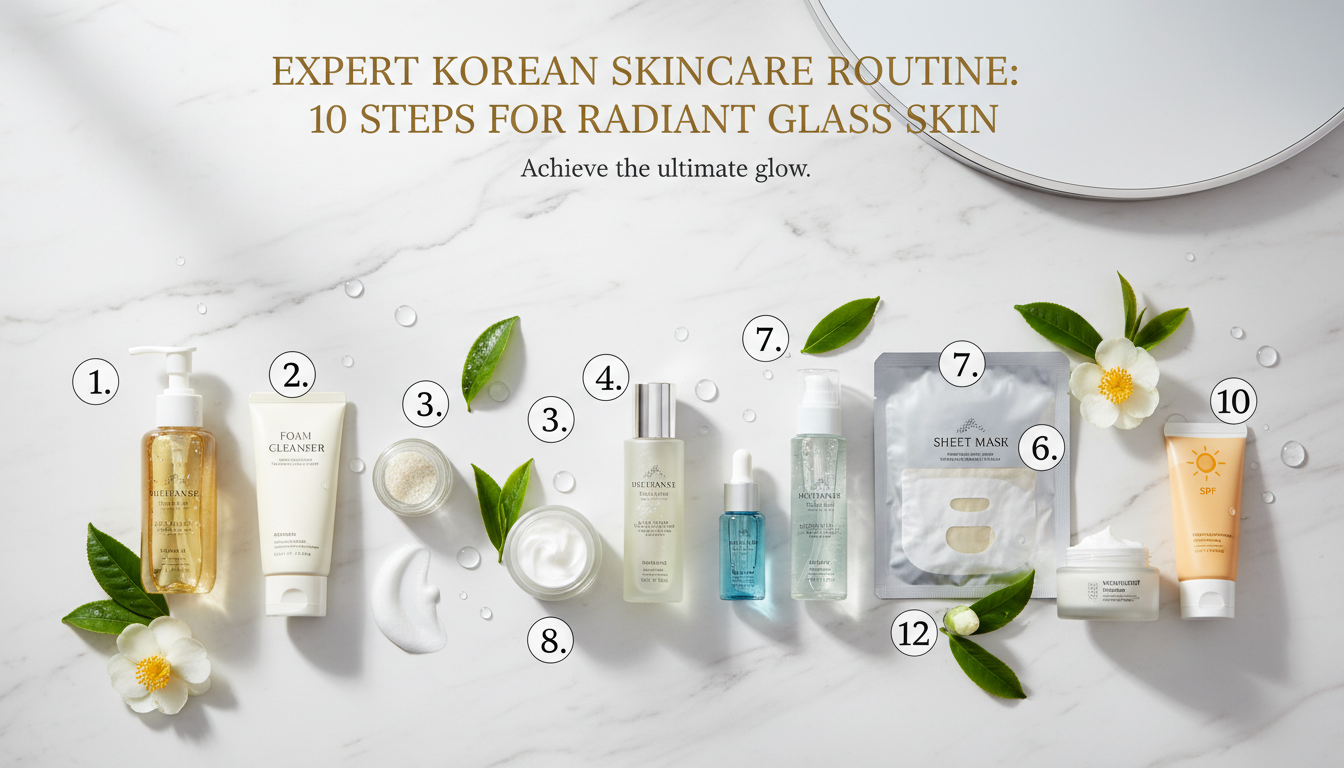
    Achieving this level of radiance requires more than just a single product; it involves a systematic, 10-step routine designed to layer moisture and target specific concerns. While ten steps may sound daunting, the process is rhythmic and therapeutic. Here is an expert breakdown of the authentic Korean skincare routine to help you achieve a resilient, glowing complexion.

    Understanding the Philosophy Behind the 10-Step Routine

    Before diving into the steps, it is essential to understand that the Korean routine is customizable. You do not necessarily need to perform all ten steps every morning and night. Instead, it is a framework that allows you to listen to your skin’s needs. The core principle is Prevention over Cure: treating the skin before issues arise by maintaining its optimal health and pH balance.

    Step 1: Oil-Based Cleanser

    The first half of the famous “Double Cleanse” involves an oil-based cleanser. This step is non-negotiable if you wear sunscreen or makeup. Oil attracts oil, meaning these cleansers effectively break down sebum, SPF, and pollutants that water-based cleansers often leave behind.

    • How to apply: Massage the oil onto dry skin for 60 seconds to dissolve impurities before rinsing with lukewarm water.
    • Expert Tip: Look for ingredients like Jojoba oil or Ginseng seed oil for extra nourishment.

    Step 2: Water-Based Cleanser

    Following the oil cleanser, a water-based (foam or gel) cleanser removes any remaining residue and sweat. To maintain “Glass Skin,” it is vital to use a low-pH cleanser. High-pH cleansers can strip the skin’s natural acid mantle, leading to dryness and irritation.

    Step 3: Gentle Exfoliation

    You cannot achieve a glass-like finish on top of dead skin cells. However, Korean skincare favors gentle exfoliation over harsh scrubs. This step should only be performed 2–3 times a week.

    • Chemical Exfoliants: AHAs (like Lactic Acid) for surface brightening or BHAs (Salicylic Acid) for pore-clearing.
    • PHA: The “New Generation” exfoliant favored in Seoul for its large molecular size, which exfoliates sensitive skin without irritation.

    Step 4: The Hydrating Toner

    Unlike Western toners of the past that were astringent and drying, Korean toners (often called “Skins”) are designed to hydrate and balance the skin’s pH. They act as a primer, making your skin a “damp sponge” ready to absorb the following treatments more effectively.

    Step 5: Essence

    Often referred to as the “heart” of the Korean skincare routine, the essence is a hybrid between a toner and a serum. It typically contains fermented ingredients like Galactomyces or Rice Water, which promote cell turnover and offer a boost of hydration that sits deep within the dermis.

    Step 6: Serums and Ampoules

    This is the treatment phase. Serums and more concentrated ampoules target specific skin concerns such as hyperpigmentation, fine lines, or acne. For glass skin, ingredients like Niacinamide (for pore refinement) and Vitamin C (for brightening) are gold standards.

    Recommended Ingredient Education for Radiant Skin

    Ingredient Primary Benefit Skin Type
    Hyaluronic Acid Deep hydration and plumping All Skin Types
    Snail Mucin Repairing and soothing Dry & Acne-Prone
    Centella Asiatica Calming inflammation Sensitive
    Propolis Antibacterial and glow-inducing Dull Skin

    Step 7: Sheet Masks

    Sheet masks provide an occlusive environment, forcing the skin to absorb a high concentration of nutrients in 15–20 minutes. While not a daily requirement, using one twice a week provides the “instant glow” associated with the glass skin aesthetic. Never let a sheet mask dry out on your face, as it can actually begin to pull moisture back out of your skin.

    Step 8: Eye Cream

    The skin around the eyes is the thinnest on the body and lacks sebaceous glands, making it prone to dehydration and fine lines. Gently tap (never rub) a small amount of eye cream using your ring finger to provide targeted moisture and protection.

    Step 9: Moisturizer

    Moisturizer acts as the sealant. Without this step, all the previous layers of hydration can evaporate through a process called transepidermal water loss (TEWL). Choose a gel-cream if you have oily skin or a thicker ceramide-based cream if you have dry skin to lock in that “glow.”

    Step 10: Sun Protection (AM) or Sleeping Mask (PM)

    In the morning, sunscreen is the most important step. You cannot have glass skin if your skin is suffering from UV damage and hyperpigmentation. Korean sunscreens are world-renowned for their elegant textures that leave no white cast.

    At night, replace sunscreen with a sleeping mask. These are designed to be extra-occlusive, helping your skin recover and regenerate while you sleep.

    Pros and Cons of the 10-Step Routine

    Pros

    • Deep Customization: You can swap steps based on hormonal changes or seasonal shifts.
    • Barrier Health: Focuses on soothing and hydrating rather than stripping the skin.
    • Mindfulness: Encourages a consistent self-care ritual that reduces stress.
    • Long-term Results: Improves skin texture and elasticity over time.

    Cons

    • Time-Consuming: It can take 15–20 minutes every morning and night.
    • Cost: Purchasing ten separate products can be a significant initial investment.
    • Over-stimulation: For those with very reactive skin, introducing too many products at once can cause breakouts (purging).

    Expert Tips for Success

    To get the best results from your routine, keep these three expert rules in mind:

    1. The “Thin-to-Thick” Rule

    Always apply products in order of their consistency. Start with the most watery (toner/essence) and finish with the heaviest (cream/oil) to ensure proper absorption.

    2. Patch Test New Products

    When starting a Korean routine, do not introduce all 10 products at once. Introduce one new product every week to ensure your skin does not have an adverse reaction.

    3. Consistency is Queen

    Glass skin isn’t achieved overnight. It is the result of consistent hydration and protection over weeks and months.

    Frequently Asked Questions

    Is the 10-step routine suitable for oily skin?

    Yes. Many people with oily skin actually suffer from dehydration, which causes their skin to overproduce oil. By providing deep, watery hydration (Steps 4–6) and using lightweight, gel-based moisturizers, you can balance oil production and achieve a healthy glow without feeling greasy.

    Do I have to do all 10 steps every day?

    No. The 10-step routine is a maximum. On a busy day, you can stick to the “Core Four”: Double cleanse, toner, moisturizer, and SPF. Save the exfoliation and sheet masks for “spa nights” when you have more time.

    How long does it take to see results?

    While you may notice increased hydration immediately, significant changes in skin texture and tone usually take one full skin cycle (approximately 28 to 40 days). True “Glass Skin” results are typically visible after 2–3 months of consistent care.

    Can I mix different brands?

    Absolutely. You do not need to stick to a single brand. In fact, many skincare experts recommend mixing and matching to find the specific “holy grail” ingredients that work for your unique skin chemistry.


    Topic: Korean skincare routine for glowing skin steps
    Tags: #Expert #Korean #Skincare #Routine #Steps #Radiant #Glass #Skin

  • Best Moisturizer for Oily Acne-Prone Skin 2026: Dermatologist Picks

    Best Moisturizer for Oily Acne-Prone Skin 2026: Dermatologist Picks

    If you have oily, acne-prone skin, the idea of applying a moisturizer might feel counterintuitive. For years, the prevailing logic was to “dry out” the skin to eliminate grease and breakouts. However, modern dermatology has proven the opposite: depriving oily skin of moisture often triggers a compensatory response, causing your sebaceous glands to produce even more oil to protect a damaged skin barrier.

    In 2026, the landscape of skincare has shifted toward “smart hydration.” We are moving beyond simple oil-free lotions toward advanced formulations that balance the microbiome, regulate sebum production, and repair the barrier without clogging pores. This guide breaks down the top dermatologist-recommended moisturizers specifically formulated to handle the unique challenges of shine and congestion.

    Why Oily Skin Needs a Moisturizer

    The secret to managing oily skin lies in understanding the difference between oil and water. Oily skin is a skin type characterized by excess sebum, while dehydration is a skin condition characterized by a lack of water. You can have oily skin that is simultaneously dehydrated.

    When the skin barrier is compromised—often due to harsh acne treatments like benzoyl peroxide or retinoids—water escapes through the epidermis. This leads to inflammation, which is a primary driver of acne. A well-formulated moisturizer seals in hydration, calms inflammation, and helps the skin tolerate active acne medications more effectively.

    Key Ingredient Education to Look for in 2026

    Dermatologists now prioritize multi-functional ingredients that address both the symptoms and the root causes of oiliness. When reading labels, look for these power players:

    • Niacinamide (Vitamin B3): A gold standard for 2026, it regulates oil production, minimizes pore appearance, and fades post-inflammatory hyperpigmentation (acne scars).
    • Hyaluronic Acid & Polyglutamic Acid: These humectants draw moisture into the skin without adding weight or oil.
    • Ceramides: Essential lipids that restore the skin barrier, especially important if you are using drying acne treatments.
    • Squalane (Plant-Derived): A lightweight oil that mimics the skin’s natural sebum but is non-comedogenic, providing moisture without the “greasy” feel.
    • Succinic Acid: An emerging favorite for its antimicrobial properties and ability to control sebum without irritation.

    Top Dermatologist Picks for 2026

    The following table summarizes the top performers based on clinical efficacy, texture, and patient feedback.

    Product Category Top Recommendation Key Benefit
    Best Overall La Roche-Posay Effaclar Mat Dual action: Mattifies skin and tightens pores.
    Best for Active Breakouts Neutrogena Hydro Boost Water Gel (Fragrance-Free) Ultra-lightweight, high-purity hyaluronic acid.
    Best for Barrier Repair CeraVe PM Facial Moisturizing Lotion Contains three essential ceramides and niacinamide.
    Best Luxury/High-Tech SkinCeuticals Daily Moisture Botanical extracts to reduce pore size and provide antioxidants.
    Best Budget-Friendly The Ordinary Natural Moisturizing Factors + Beta Glucan Clear gel formula that provides immediate, non-shiny hydration.

    Best Overall: The Gel-Cream Evolution

    In 2026, “gel-cream” hybrids dominate the market. These formulas offer the cooling, weightless feel of a gel with the long-lasting hydration of a cream. Dermatologists frequently recommend these because they absorb instantly, leaving a matte or “soft-focus” finish that works well under sunscreen or makeup.

    Best for Barrier Repair: Healing While Hydrating

    If you are using prescription-strength retinoids or exfoliating acids, your moisturizer needs to do more than just hydrate; it needs to heal. Products containing madecassoside (derived from Centella Asiatica) or panthenol (Vitamin B5) are highly recommended for soothing the redness and peeling often associated with acne-prone skin.

    How to Apply Moisturizer to Oily Skin

    Application technique is just as important as the product itself. To maximize absorption and minimize shine, follow these expert steps:

    1. Cleanse gently: Use a pH-balanced cleanser to remove excess oil without stripping the skin.
    2. Damp Skin Method: Apply your moisturizer while your skin is still slightly damp. This helps humectants like hyaluronic acid pull water into the deeper layers of the skin.
    3. The “Less is More” Rule: Use a pea-sized amount. Modern formulas are highly concentrated; using too much can lead to product “pilling” or unnecessary heaviness.
    4. Upward Strokes: Use light, upward motions to avoid tugging on the skin, focusing on the cheeks and neck while using the residue for the oilier T-zone.

    Pros & Cons of Lightweight Moisturizers

    Pros

    • Non-Comedogenic: Formulated specifically not to clog pores or cause “whiteheads.”
    • Fast Absorption: Ideal for busy mornings and humid climates.
    • Oil Control: Many 2026 formulas contain silica or starch-based microspheres that soak up oil throughout the day.
    • Layering Friendly: These products sit comfortably under SPF and foundation without sliding.

    Cons

    • Insufficient for Winter: In extremely cold or dry climates, lightweight gels may not provide enough protection.
    • Potential Irritants: Some “matte-finish” products contain denatured alcohol to speed up drying, which can irritate sensitive skin.
    • Reapplication: Humectant-heavy formulas may require a mist or second application in low-humidity environments.

    Common Mistakes to Avoid

    Even with the best dermatologist-picked moisturizer, certain habits can sabotage your results. Avoid using products with heavy occlusives like petrolatum or lanolin in the oily areas of your face. Additionally, don’t skip moisturizing at night. While you sleep, your skin’s transepidermal water loss increases, and a lightweight moisturizer helps maintain the repair process.

    Frequently Asked Questions (FAQ)

    Should I moisturize if my skin feels very greasy?

    Yes. Greasiness is often a sign of “surface oiliness” but “deep dehydration.” By applying a lightweight, oil-free moisturizer, you signal to your skin that it has enough moisture, which can actually help reduce sebum production over time.

    What does “non-comedogenic” actually mean in 2026?

    While not a legal guarantee, non-comedogenic means the product has been tested and shown not to cause pore blockages (comedones). In 2026, many brands use more rigorous third-party testing on human subjects rather than just ingredient analysis.

    Can I use the same moisturizer for day and night?

    Generally, yes. However, for oily acne-prone skin, dermatologists often recommend a version with SPF for the day and a version with repair-focused ingredients like ceramides or niacinamide for the night.

    Is it okay to skip moisturizer if I use a hydrating sunscreen?

    If your sunscreen provides enough hydration and your skin feels comfortable throughout the day, skipping a separate moisturizer is perfectly fine. Many modern sunscreens for oily skin are formulated in a moisturizing base to streamline your routine.

    How long does it take to see results from a new moisturizer?

    You will feel the hydration immediately, but improvements in skin texture and oil regulation typically take 2 to 4 weeks of consistent use as your skin’s moisture barrier stabilizes.


    Topic: Best moisturizer for oily acne prone skin 2026
    Tags: #Moisturizer #Oily #AcneProne #Skin #Dermatologist #Picks